
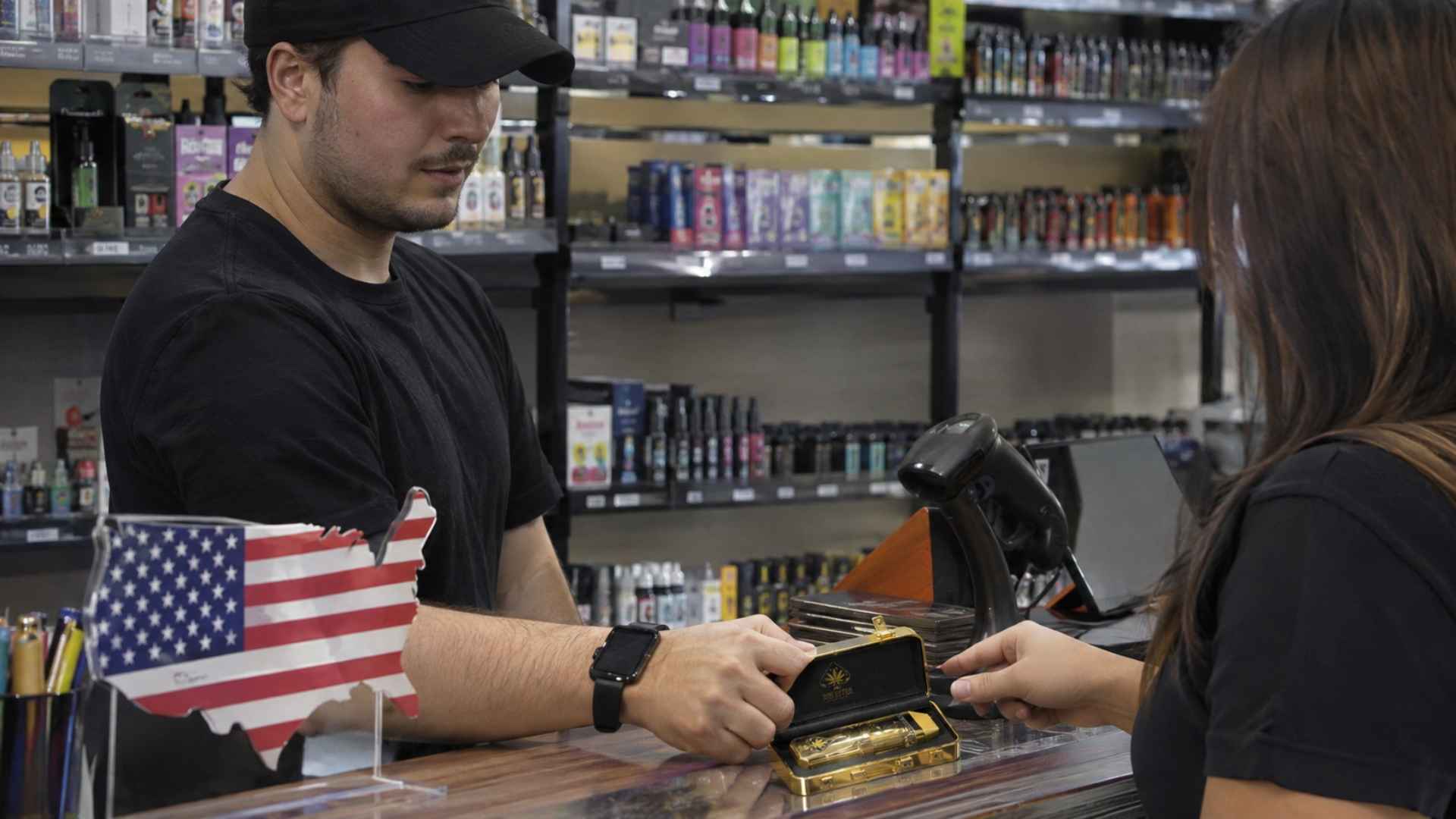
Disposable vapes have become a familiar part of the American nicotine market, but the rules behind their sale are less straightforward than the packaging suggests. Two devices may have similar batteries, flavors, and puff-count claims while carrying very different legal status. What matters is not merely the design or brand on the box. Federal marketing authorization, product classification, age restrictions, and state laws all affect whether a device can lawfully reach a retail shelf.
The Food and Drug Administration (FDA) regulates electronic nicotine delivery systems, commonly called ENDS, under federal tobacco law. That includes many disposable vapes, refillable devices, e-liquids, and relevant components. FDA authority expanded to these products in 2016. In April 2022, federal law also brought nicotine from any source, including laboratory-made nicotine, within the agency’s tobacco-product authority. Changing the source of nicotine therefore does not create an exemption from federal oversight.
Retailers and distributors face obligations that extend beyond stocking products and checking customer ages. Marketing orders, package warnings, shipping arrangements, taxes, and local flavor restrictions can all change the practical legality of a sale. For adults comparing products, this distinction matters too: an item appearing in a shop or online catalog is not, by itself, evidence that it has permission to be marketed in the United States.
FDA Marketing Authorization and Product Status
Most new e-cigarette products require FDA authorization before they can legally be marketed in the United States. The principal pathway for these products is the Premarket Tobacco Product Application, or PMTA. Applicants provide scientific evidence for the FDA to evaluate whether marketing a product would be appropriate for the protection of public health. The assessment considers effects on users and nonusers, including the risk of youth initiation. An application under review is not an authorization, and a marketing order is not a declaration that the device is harmless or medically approved.
Authorization is product-specific. A decision concerning one device, pod, or e-liquid does not automatically cover every flavor, nicotine strength, or later variation released by the same company. The FDA maintains public records of its marketing orders, which businesses can use to verify the precise products they purchase. Wholesalers also need to pay attention to imports: an overseas manufacturer’s ability to ship a device does not establish its eligibility for sale under US law. Inventory documentation should identify the actual product, not just the supplier’s brand.
State Rules Add Another Layer of Compliance
Federal authorization sets a national requirement, but it is not a blanket permit to sell everywhere. States and municipalities may impose additional licensing conditions, excise taxes, restrictions on flavors, and limits on where tobacco products can be sold. California prohibits the retail sale of many flavored tobacco products, including flavored nicotine vapes, subject to specified exceptions. Other jurisdictions apply different rules. That means an authorized product can still be unavailable for lawful retail sale in a particular location.
Age Verification at Physical and Online Stores
The federal Tobacco 21 law has prohibited sales of tobacco products, including e-cigarettes, to anyone under 21 since December 20, 2019. The rule applies to every retailer and does not include an exception for military service. Since September 30, 2024, stores must examine photo identification for anyone under 30 attempting to purchase covered tobacco products. Remote sellers have additional verification and delivery obligations. A simple checkbox declaring that a customer is an adult does not satisfy the full range of requirements that can apply to online sales.
Packaging Warnings and Flavor Descriptions
Packaging is part of compliance, not just presentation. Covered e-cigarette products must carry federally required nicotine addiction warnings, with detailed rules for placement, contrast, and size. For example, the warning ordinarily occupies at least 30 percent of each principal display panel on the package. Advertising also faces warning requirements. Product names and flavor descriptions deserve equal care. A fruit-flavored label does not indicate FDA authorization, and businesses should not imply that a vape treats disease or offers an approved smoking-cessation benefit unless the relevant legal requirements have been met.
Shipping Rules and the PACT Act
Online availability is shaped by federal shipping law. Following legislation enacted in late 2020, electronic nicotine delivery systems and many associated parts came under expanded PACT Act delivery-sale requirements in 2021. Covered sellers may need to register, report sales, comply with applicable taxes, verify customer age, and arrange delivery with an adult identification check. The US Postal Service generally cannot mail covered vaping products, apart from narrow exceptions. Using a private carrier does not remove these obligations, and carrier acceptance policies may be stricter than the law itself.
Product Records, Battery Safety and Retail Accountability
Disposable devices combine liquid-containing components with lithium batteries, making product handling an issue beyond sales authorization. Damaged batteries can overheat or ignite, particularly when crushed, punctured, or exposed to unsuitable charging equipment. Devices should not be placed in ordinary household recycling bins, where batteries can create fires during collection and processing. Collection options depend on local waste programs, and retailers should avoid printing disposal instructions that conflict with the rules in their area.
Recordkeeping also deserves attention. Reliable invoices, model identifiers, supplier information, and documented marketing status help businesses identify questionable inventory and respond to regulatory inspections. A batch code or scratch-off authenticity sticker can help with traceability, but it cannot replace a federal marketing order. Similarly, a large puff-count claim says nothing about whether a device is lawfully marketed. Those claims should be assessed separately rather than treated as evidence of compliance.
Rules continue to evolve through agency decisions, legislation, and local enforcement. Businesses need to verify products and sales conditions whenever they change suppliers, add flavors, or enter a new market. Adults evaluating vape products can look for accurate contents, required warnings, and credible product identification without confusing those details with a guarantee of safety. In this industry, careful records and straightforward labeling carry more weight than eye-catching claims.