
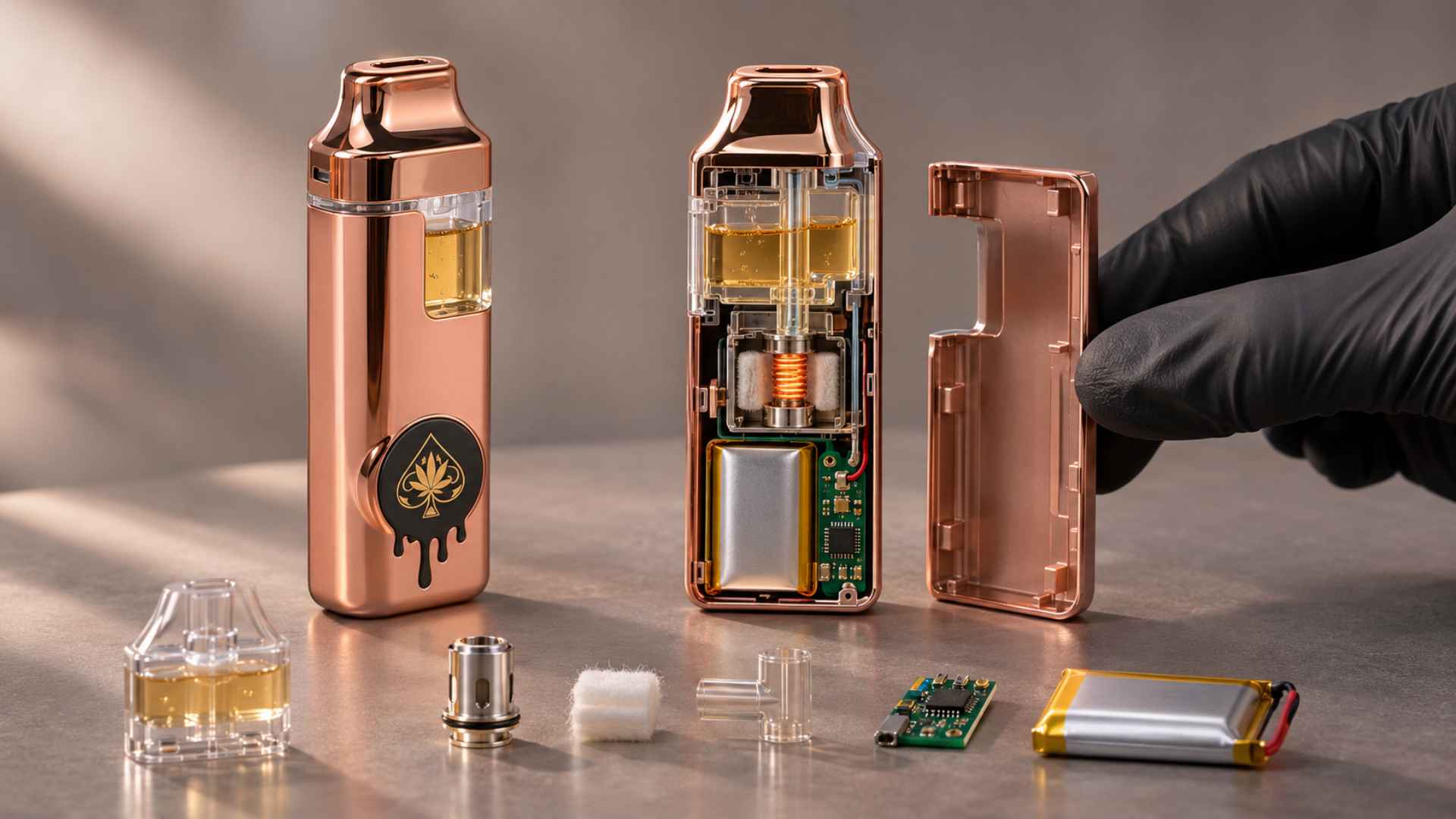
Every electronic vaping device depends on several components that work together to heat liquid and produce an inhalable aerosol. Although device designs vary, most contain a power source, a heating element, a liquid reservoir, and an airflow system. Differences in these components can affect temperature stability, aerosol production, reliability, and the likelihood of mechanical or electrical problems.
Device performance is often discussed in terms of vapor volume, battery life, and consistency. Those characteristics depend on more than the device’s exterior design. Internal electrical connections, heating coil resistance, airflow restrictions, and liquid delivery systems all affect operation. Poor coordination between components can cause overheating, leakage, or inconsistent heating during use.
Safety deserves equal attention because vaping equipment combines electrical power with heat and liquid. The US Food and Drug Administration has documented reports involving battery fires, explosions, and other product related injuries. Electronic cigarette aerosol may also contain nicotine, ultrafine particles, and potentially harmful substances. Reliable hardware can reduce certain device related risks, but it cannot make vaping harmless.
Coils, Wicks, and Temperature Control
Heating coils convert electrical energy into heat through resistance. Common coil materials include stainless steel, kanthal, and nickel based alloys, although compatibility depends on device design. Coil resistance and applied power influence the amount of heat produced. Excessive power can raise temperatures beyond the intended operating range, potentially affecting aerosol composition and damaging surrounding components.
Wicking material delivers liquid from the reservoir toward the heating surface. Cotton is widely used because it absorbs liquid and allows relatively consistent delivery. When the wick cannot supply enough liquid, sections may become excessively hot. This condition, commonly associated with dry hits, can produce unpleasant aerosol and increase the formation of certain thermal decomposition products. Properly matched components help limit these problems.
Battery Construction and Electrical Protection
Lithium ion batteries are commonly used because they store substantial energy in compact packages. Their performance depends on cell quality, electrical load, temperature, and charging conditions. Battery damage, internal short circuits, manufacturing defects, or incompatible charging equipment can contribute to overheating. In severe cases, thermal runaway may cause fire or rupture.
Electronic protection circuits may provide safeguards against short circuits, excessive discharge, and overcharging. However, the presence of protective features does not eliminate every failure possibility. Battery compatibility and the manufacturer’s operating limits remain important. The FDA recommends using batteries intended for the specific device and avoiding charging on combustible surfaces, such as beds or upholstered furniture.
Material Quality and Routine Device Inspection
Reservoirs, seals, and mouthpieces also influence reliability. Plastic and glass reservoirs respond differently to impact, temperature, and liquid exposure. Sealing components must tolerate contact with the intended liquid without swelling or deteriorating. Damaged seals can allow leaks that reach electrical contacts, while poorly fitted connections may interrupt power delivery or create unnecessary resistance.
Routine visual inspection helps identify visible problems before they become more serious. Warning signs include unusual battery heat, damaged insulation, swollen cells, leaking reservoirs, and burnt or deteriorated components. Devices with these symptoms should not continue operating until the problem has been addressed according to the manufacturer’s guidance. Physical damage should never be dismissed as merely cosmetic.
Disposal presents another safety concern. Batteries and electronic vaping products should not be placed in ordinary household recycling or general waste where they may be crushed or punctured. Appropriate battery or household hazardous waste facilities can handle these materials more safely. Component quality, electrical protection, and responsible handling all matter, while the underlying health risks associated with inhaling vaping aerosol remain.