
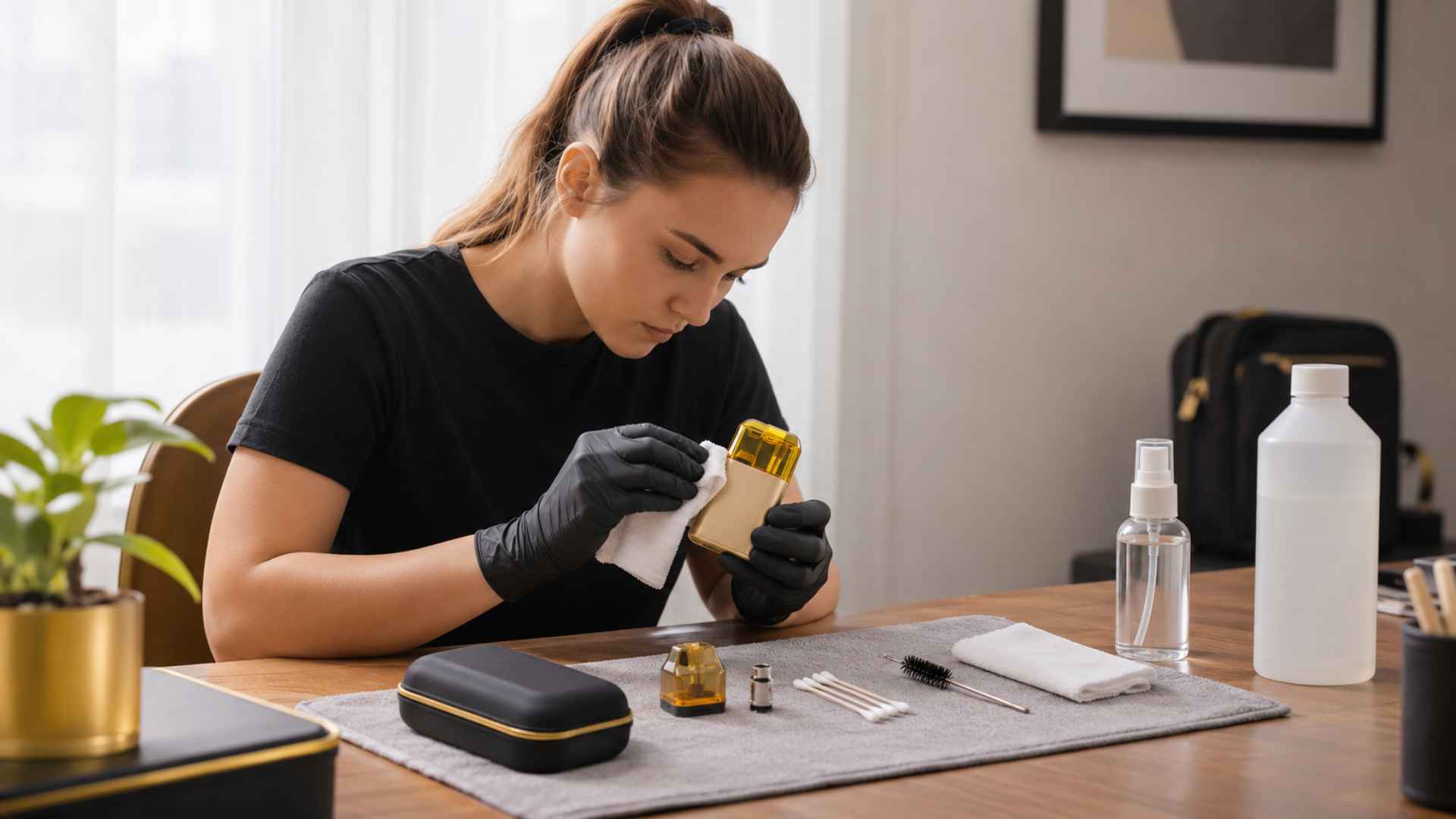
Vape devices are often carried in pockets, bags, and other everyday spaces, where dust, moisture, and residue can collect on their surfaces. Over time, this buildup may affect the cleanliness of a mouthpiece or interfere with normal device operation. Routine care helps adult users notice small problems before they become more serious, while supporting more consistent handling and storage. Paying attention to these everyday conditions can also help prevent unnecessary wear on external components.
Keeping a vape device clean does not require equipment or aggressive methods. Simple habits, including wiping surfaces and checking for visible damage, can reduce avoidable problems. Knowing which parts are safe to clean, and which should remain untouched, is an important part of daily care. Establishing a regular inspection routine can make these precautions easier to maintain over time.
Routine Maintenance And Device Safety
Poor maintenance can make ordinary wear harder to notice. Residue around a mouthpiece, liquid near a connection, or debris inside a charging port may signal a problem that deserves attention. Ignoring these signs can lead to malfunction, unintended contact with liquid, or damage to components. Regular visual inspections provide an opportunity to identify unusual conditions before they affect other parts of the device.
Cleaning also has limits, particularly when it comes to internal device parts. A vape should never be rinsed under running water, soaked in solutions, or opened without manufacturer instructions. Because vaping itself carries health risks, a visibly clean device should never be mistaken for a harmless or safe product. Following approved cleaning methods helps reduce the likelihood of accidental damage during routine maintenance.
Routine checks make it easier to identify changes in overall device condition and consistently follow the manufacturer’s specific safety recommendations over time. Keeping a simple record of recurring problems may also help determine when a device needs professional attention or replacement.
Practical Care Habits For Vape Devices
Effective maintenance begins with knowing the device’s design. Some products have removable components, while others are sealed and should not be taken apart. Check the instructions before attempting cleaning. Familiarity with the device’s construction can help prevent accidental damage to sensitive connections and internal components.
Before cleaning, switch the device off if possible and disconnect charging equipment. Allow recently used components to cool. Keep liquids away from electrical openings, and avoid sharp tools, excessive force, or unapproved solvents during cleaning. Preparing a clean and dry workspace can also reduce the chance of introducing additional dust or moisture.
Clean Mouthpieces And External Surfaces
The mouthpiece often collects lint, fingerprints, and surface residue during everyday handling and storage. A gentle wipe with a clean, soft cloth can help remove visible buildup without damaging the outer material of the device. Paying particular attention to frequently touched areas can make routine cleaning more thorough and consistent.
Where the manufacturer permits it, removable mouthpiece parts may have specific cleaning instructions. Follow those instructions closely and allow cleaned components to dry completely before reassembly of the device. Reattaching components while moisture remains may create additional problems around sensitive connections or surfaces.
If the mouthpiece is cracked, unusually sticky, or difficult to clean, avoid forcing it apart. Replace approved removable parts when appropriate, or stop using a sealed device that appears damaged or worn. Continuing to use damaged components may increase the possibility of leaks, poor connections, or other avoidable issues.
Keep Charging Ports Dry And Clear
Charging connections need particular attention because moisture and debris may interfere with electrical contact. Keep the surrounding area completely dry and inspect the port visually for lint, residue, or signs of corrosion. A clean charging area can also make unusual changes in the condition of the connection easier to recognize.
Do not pour liquid into a charging port or insert metal objects to remove trapped debris. If the connection looks damaged or obstructed, refer to the manufacturer’s guidance rather than attempting a repair. Using unsuitable cleaning tools may bend internal contacts or introduce additional electrical hazards.
Charging should take place on a stable, nonflammable surface away from bedding and other combustible items. Use equipment specified by the manufacturer, and avoid charging a device that feels hot. Disconnecting the device when charging is complete, according to manufacturer guidance, can further support responsible battery handling.
Check For Leaks And Signs Of Wear
Leaks and damaged seals can be easy to miss when a device is stored without regular visual inspection. Carefully check the exterior for unexplained moisture, cracks, swelling, or unexpected changes in shape. These visible warning signs may indicate problems that cannot be addressed through ordinary surface cleaning.
If liquid is present, avoid skin and eye contact and follow manufacturer instructions. Wash exposed skin, and stop using any device that leaks or appears damaged. Handling leaking components cautiously can help limit accidental exposure to potentially irritating substances.
Never puncture or attempt to repair a swollen battery. Keep the damaged device away from combustible materials and arrange disposal through approved battery or electronic waste collection channels. Local recycling facilities may provide specific instructions for transporting and handling damaged battery-powered products.
Regular Device Care Supports Safer Handling
Good device care depends on small, repeatable habits rather than deep cleaning. Checking accessible surfaces, keeping electrical connections dry, and noticing unexpected changes can help reduce handling and storage problems. Visual checks also make damage easier to spot. Consistent attention to these details can encourage more responsible equipment care throughout normal ownership.
Maintenance also means recognizing when a device should no longer be used. Persistent leaks, abnormal heat, unusual odors, and damaged casings warrant stopping use and following the manufacturer’s advice for handling or disposal. Ignoring these warning signs can create risks. Replacing damaged equipment through appropriate channels is generally safer than attempting unauthorized repairs.
Responsible maintenance involves cleaning only approved surfaces, respecting sealed components, and responding promptly to visible damage. These practices do not eliminate the health risks of vaping, but they can help adult users handle devices more cautiously and avoid unnecessary equipment hazards. Making regular inspection and proper storage part of a routine can support safer handling habits over the long term.